A textured chair, a softly lit table and a wallcovering with a little depth can make a hotel space feel more relaxed. The interesting work begins when those choices have to function together, not simply look good together.
Several recent manufacturer collections make that conversation worth revisiting. Indoor/outdoor textiles are taking on a more tactile character. Outdoor furniture is reinterpreting familiar forms. Wallcoverings are using surface relief and sheen to change how a room responds to light. These examples are not evidence of one universal hotel style. They are useful opportunities to consider how a specific property should feel and operate.
Start with the material, then ask where it belongs.
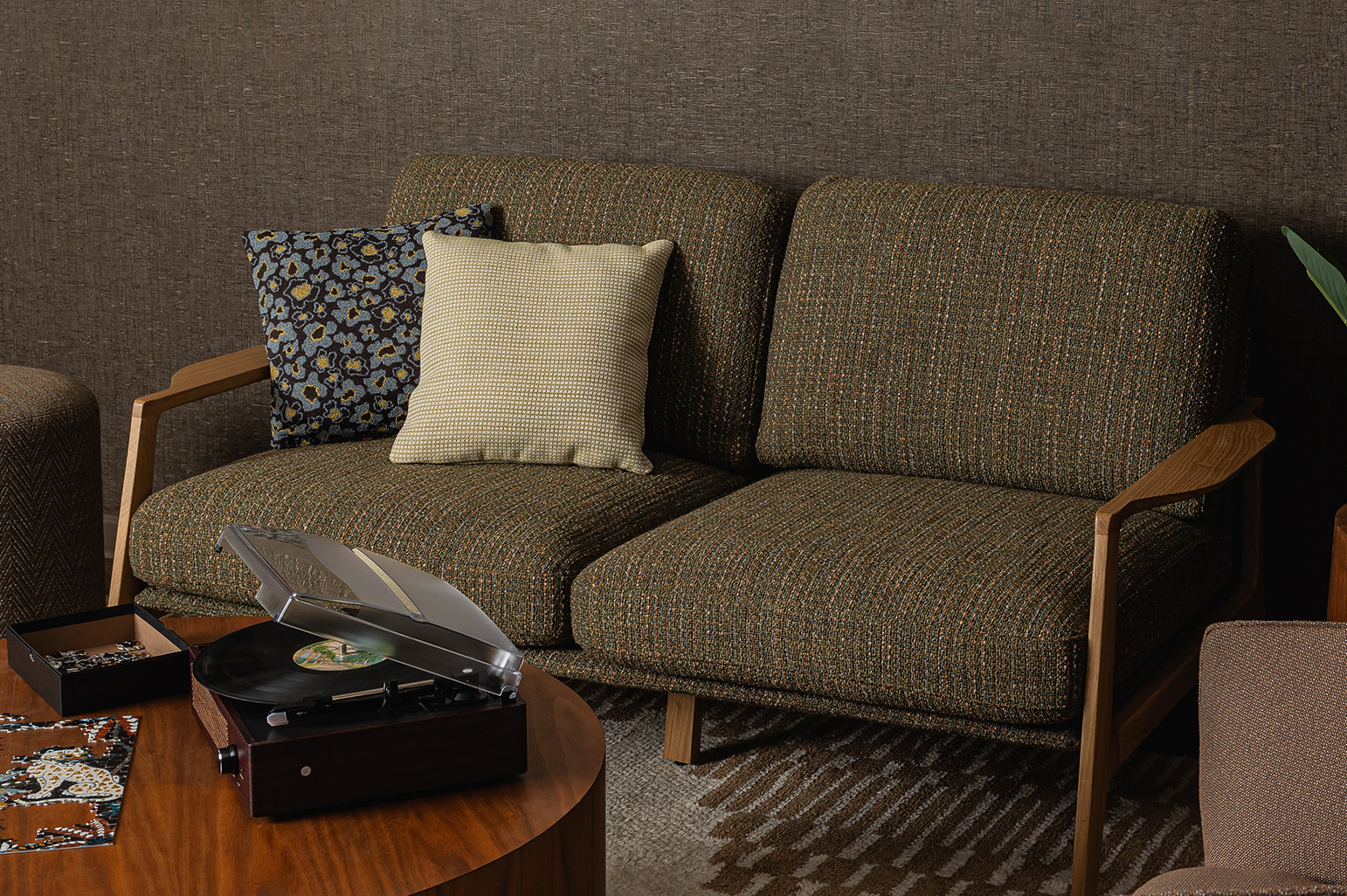
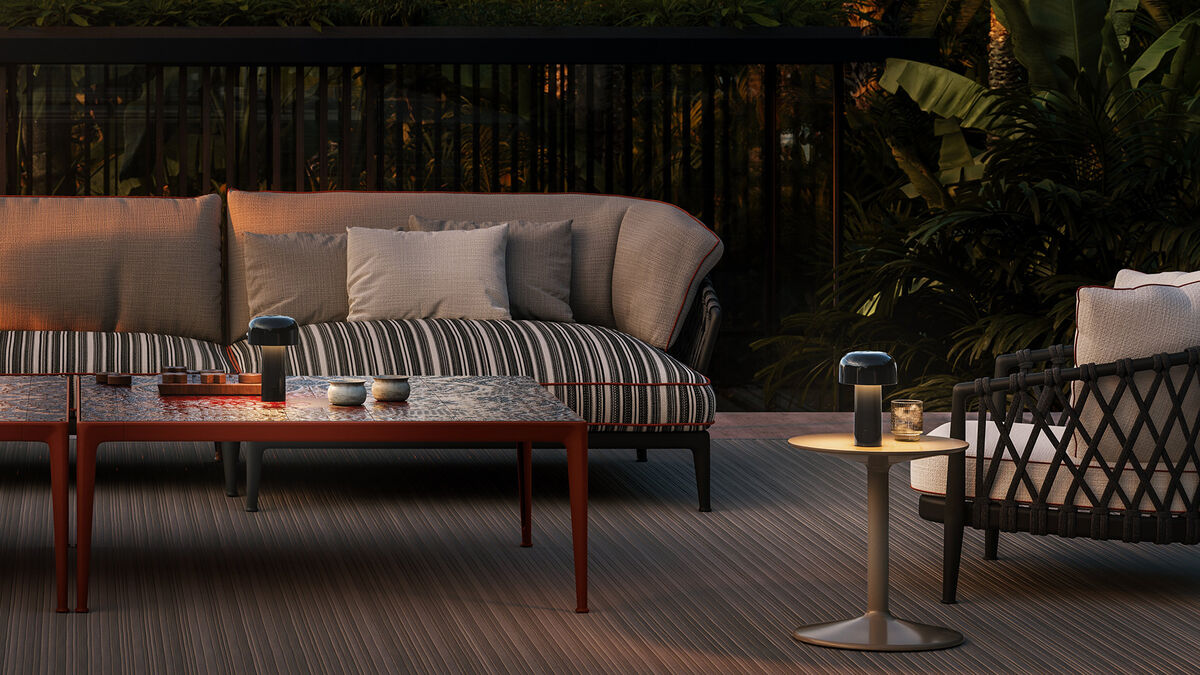
Brentano's Nook, part of its Fall 2026 Storyteller collection, is a good example. The manufacturer describes a chunky construction using slub and boucle yarns and identifies the textile for indoor and outdoor upholstery. It has a residential character, but its application is not limited to a residential setting.
For a hotel, that creates an interesting possibility: connecting the character of an interior lounge with an adjacent terrace through texture or color. That does not require matching every chair. A related material palette can create continuity while the furnishings respond to different uses.
The next questions should be specific. Will the seating be exposed or covered? How will the upholstery be maintained? Does the fabric work with the furniture's shape and construction? The application should drive the review, rather than the assumption that an indoor/outdoor label resolves every project requirement.
A familiar look can come from a different construction.
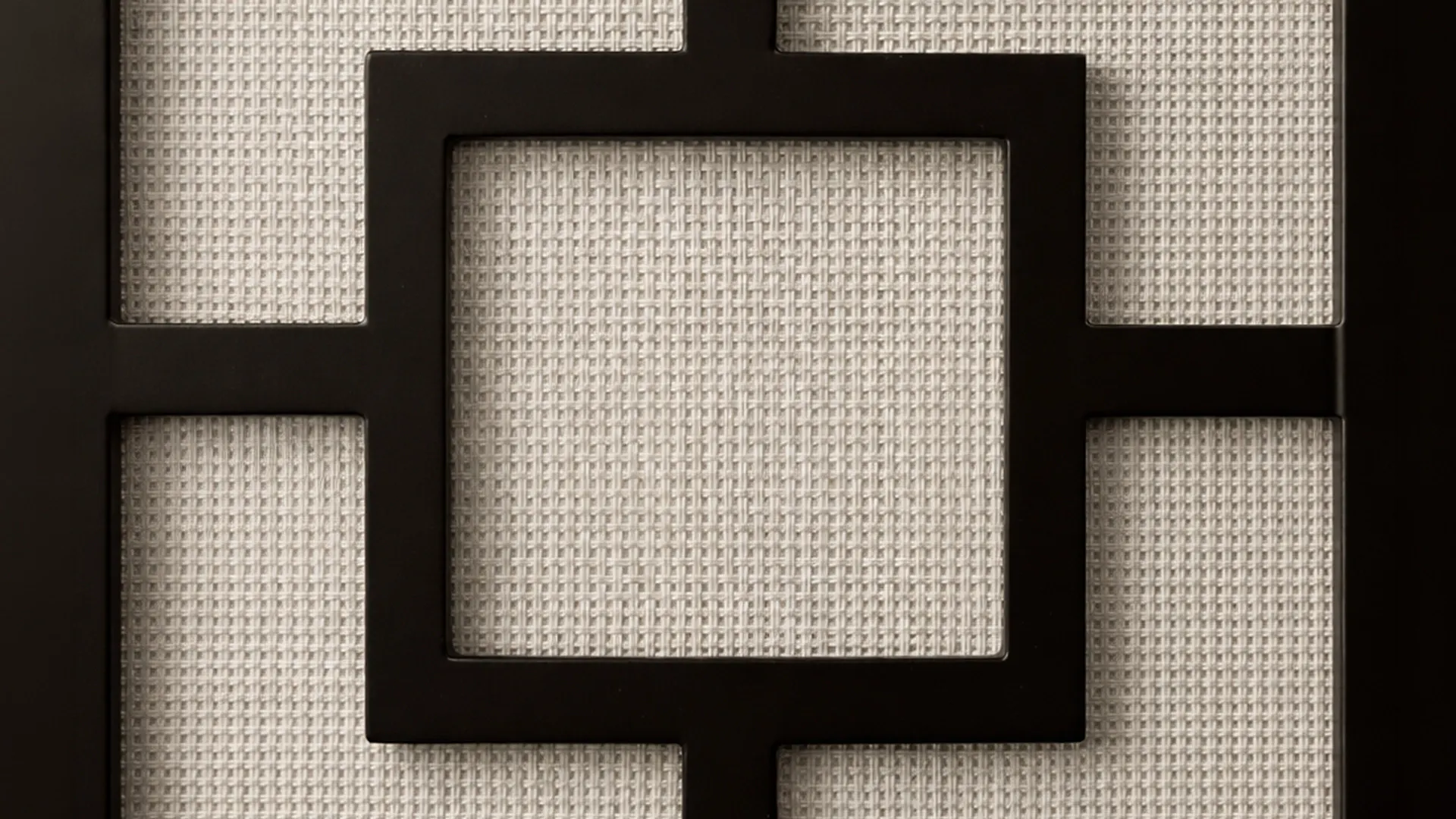
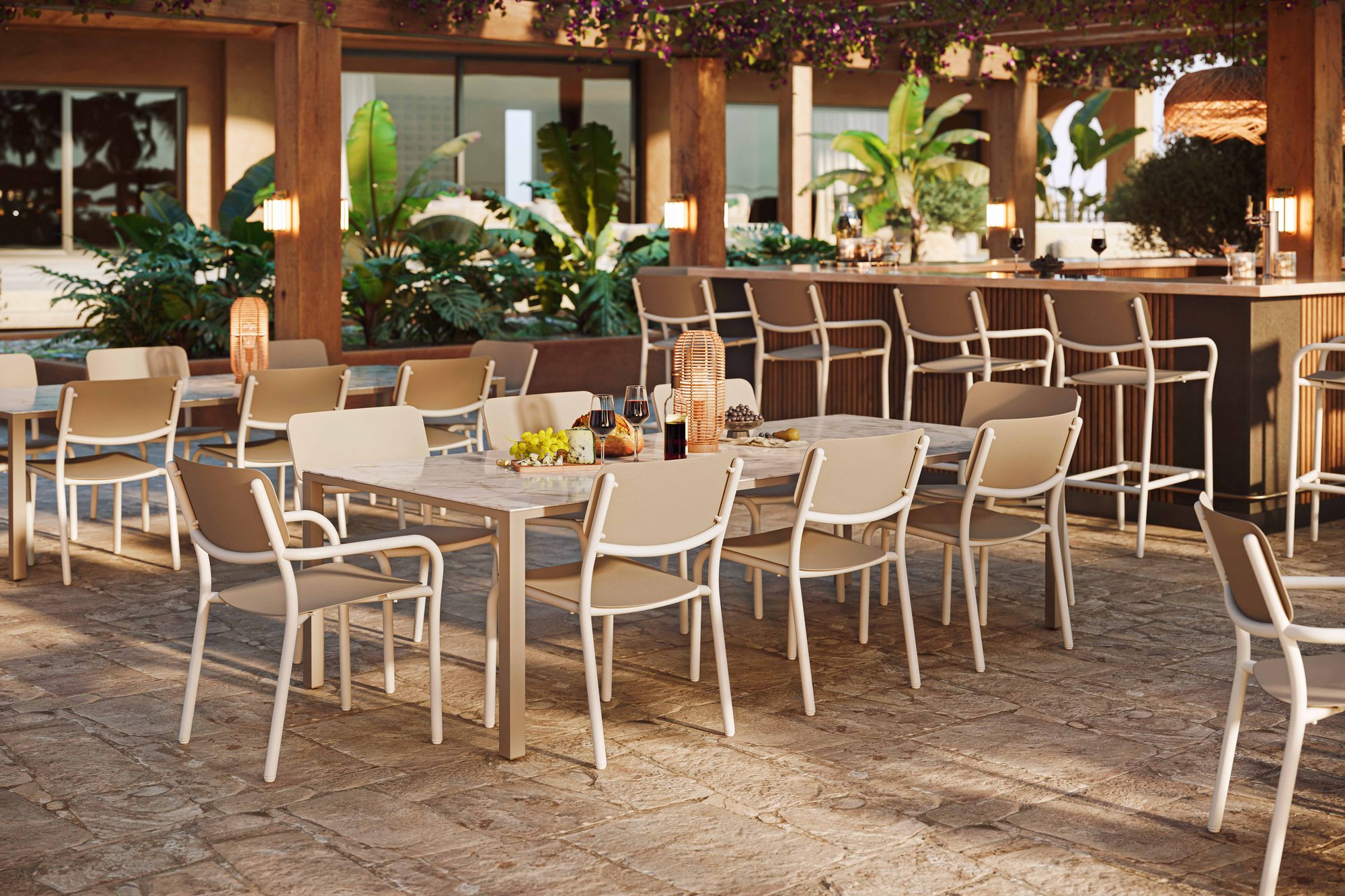
Brown Jordan's Palmetto collection, presented for its hospitality debut at HD Expo 2026, pairs sculpted aluminum frames with a cane-look sling. The visual reference is familiar, but the material approach is worth a closer look.
That distinction matters when a design team is trying to create warmth without simply importing a residential furniture package. The character of a piece and the way it is made are related decisions, not interchangeable ones.
The same thinking applies to how the seating will be used. A chair selected for a short breakfast, a terrace conversation and an extended evening meal may need to answer different questions about support, scale and table clearance. An appealing silhouette is the beginning of the decision, not the entire decision.
Review texture with the light that will reveal it.
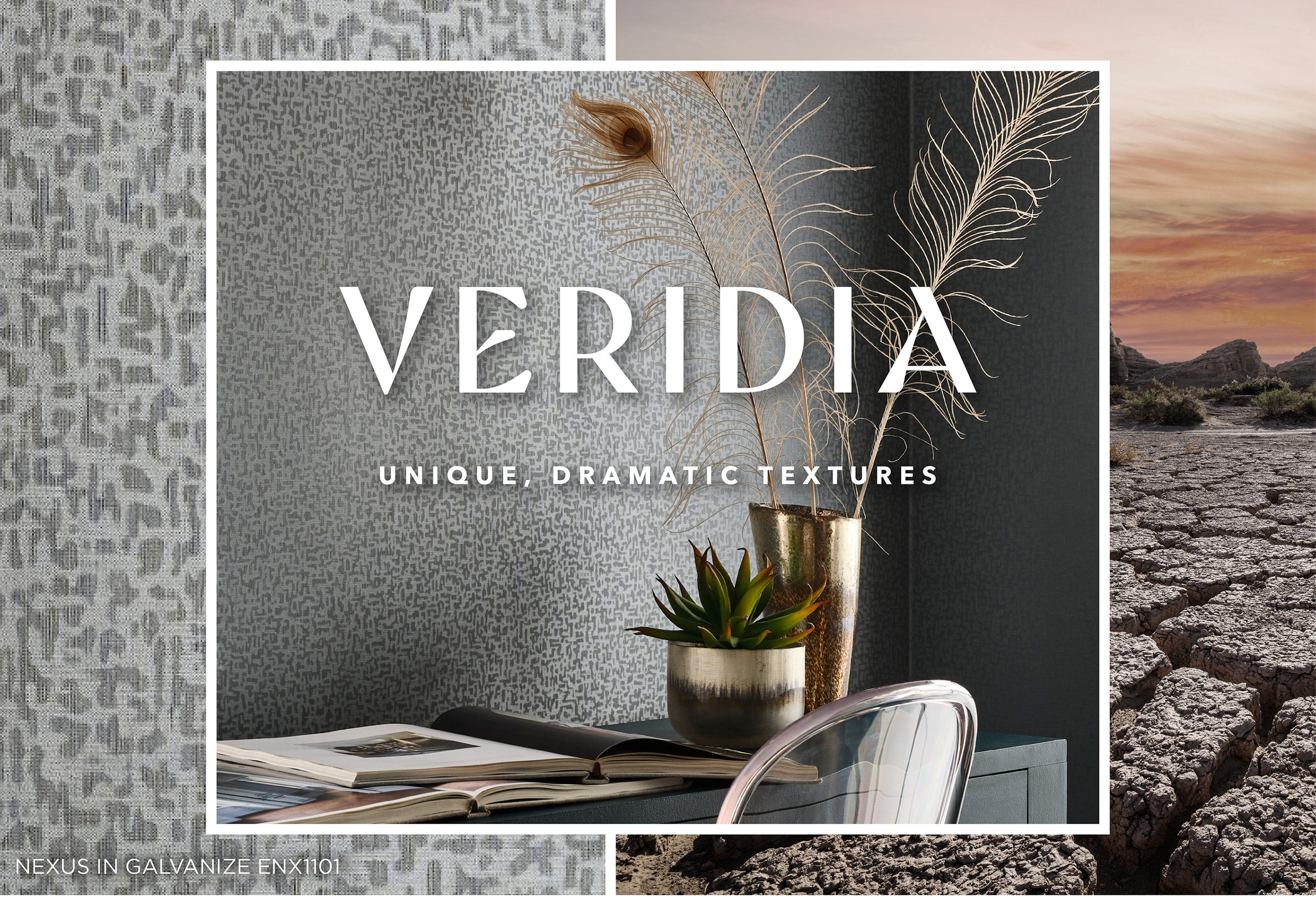
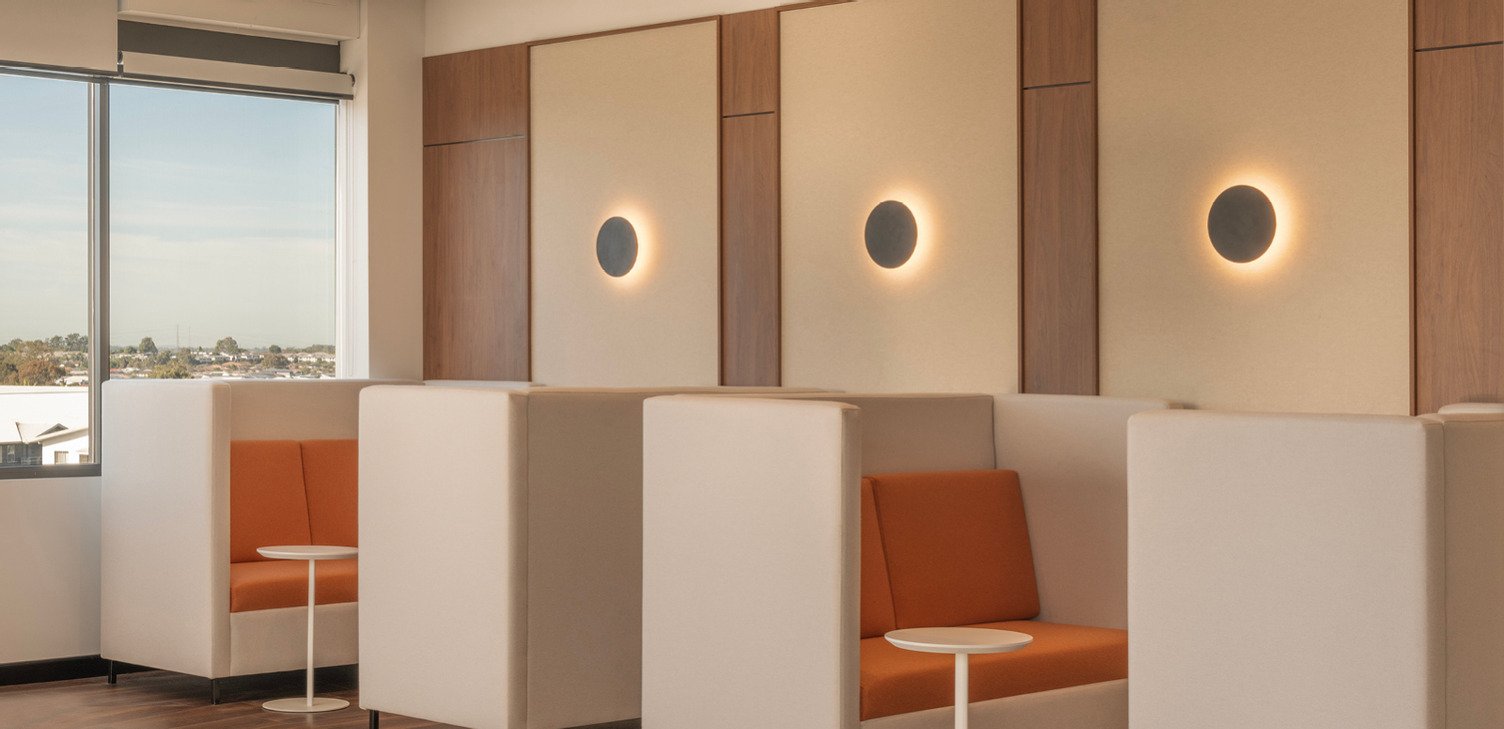
MDC's Veridia wallcovering announcement, published October 1, emphasizes the relationship between dimensional embossing and sheen. This is an especially useful subject because a surface does not read in isolation. It reads in a room, at a particular scale, under particular lighting.
A design review can compare how that surface appears up close and from the normal approach to the space. Does the light reveal the intended texture? Does the pattern support the furniture and artwork, or compete with them? A large sample viewed vertically can help make the discussion more concrete.
This does not mean every material warrants a full model room. The scale of the review should reflect the scope, level of customization and consequences of getting the decision wrong. The same principle applies to model-room reviews: the approach should fit the project.
Carry the idea through the rest of the space.
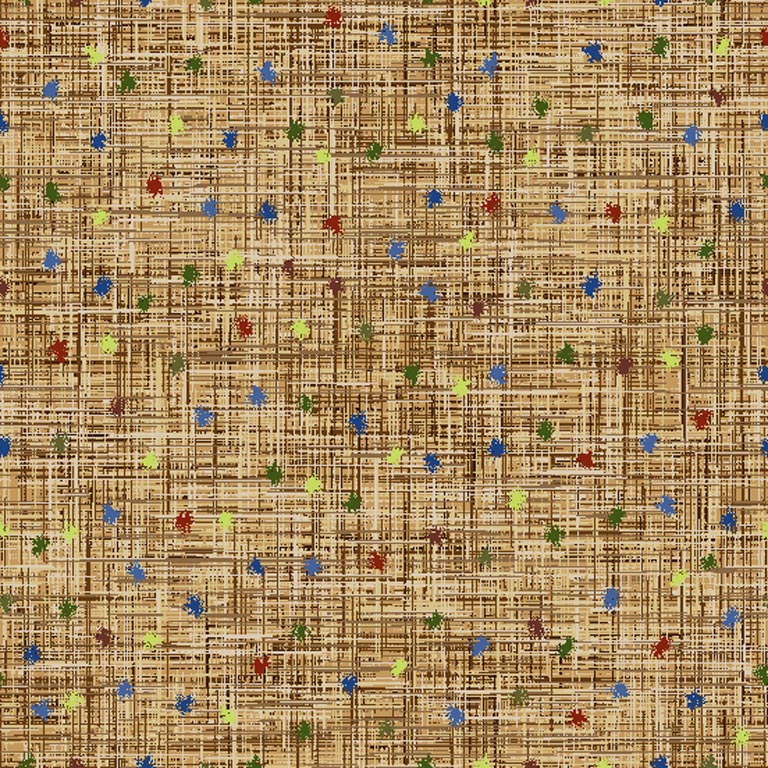
A material story becomes more convincing when the other elements support it. Pallas' Giverny collection, introduced in June, offers one example of an artistic reference translated through textiles. Its value as inspiration is not that every room should reference Impressionism, but that an idea can be developed through color and texture rather than an obvious decorative theme.
Lighting can provide another connection. FLOS describes its current Bellhop Unplugged edition as portable and rechargeable, with adjustable light intensity and color temperature. A small light can contribute to the atmosphere of a table setting while allowing the furniture arrangement to remain flexible. The practical conversation still includes charging, storage, service and the selected product's suitability for the location.
Keep the design and the delivery connected.
Once a promising direction is identified, it needs to stay connected to the project's budget, brand requirements and procurement schedule. A substitute that looks similar in a photograph may differ in dimensions, surface character or care requirements. Those differences deserve review before the original idea is lost between selection and installation.
This is where hospitality design becomes more than assembling attractive products. The team is considering the guest, the people maintaining the space and the owner investing in it. Each decision needs to belong to the same project, even when it comes from a different manufacturer.
Residential character is not a furniture category to purchase. It is an experience to develop. The most useful materials are the ones that help a hotel feel considered and welcoming while remaining appropriate for the way that hotel will be used.